Stop-Loss

A stop-loss is an order or rule designed to exit a position when price reaches a predefined adverse level, limiting further loss.

What Is Stop-Loss?

A stop-loss is an order or rule designed to exit a position when price reaches a predefined adverse level, limiting further loss.

Stops can be exchange orders or personal rules. Gaps and thin liquidity can produce slippage beyond the stop.
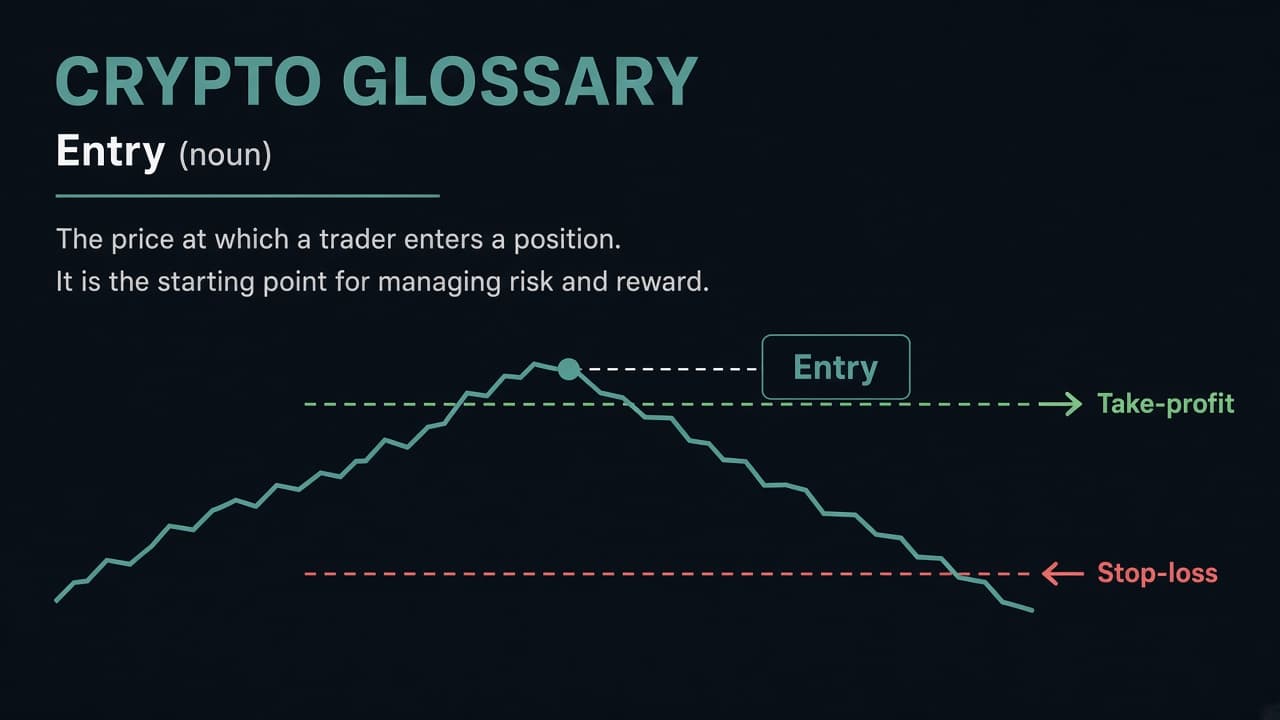

Diagram of entry with stop-loss below and take-profit above
Stop-loss and take-profit — planned invalidation and target levels around an entry.

Why Stop-Loss Matters

  • Why traders care: Core risk control for discretionary and systematic traders.
  • Playbook fit: Best with structure, volume, and risk rules.
  • Alert fit: Clear levels or thresholds become Phalerta notifications.

How Traders Use Stop-Loss

Place stops beyond invalidation and size so a stop-out is survivable.

Example: Stop-Loss in Practice

A trader sets both an exchange stop and a Phalerta alert at invalidation below support.

Pro Tip

Use alerts as awareness even when the exchange hosts the stop.

Background of cta
Phalerta Logo

Never Miss a Market Move Again

Turn Stop-Loss context into action. Set custom crypto alerts in Phalerta and get real-time notifications on Telegram, Discord, Email, or the app.

Frequently asked questions

What is Stop-Loss?

A stop-loss is an order or rule designed to exit a position when price reaches a predefined adverse level, limiting further loss.

Do stops guarantee exit price?

No. Slippage and gaps can occur.

Can Phalerta help?

Yes — set price or indicator alerts and get notified on Telegram, Discord, Email, or the app.

Precision Alerts, Confident Trading.